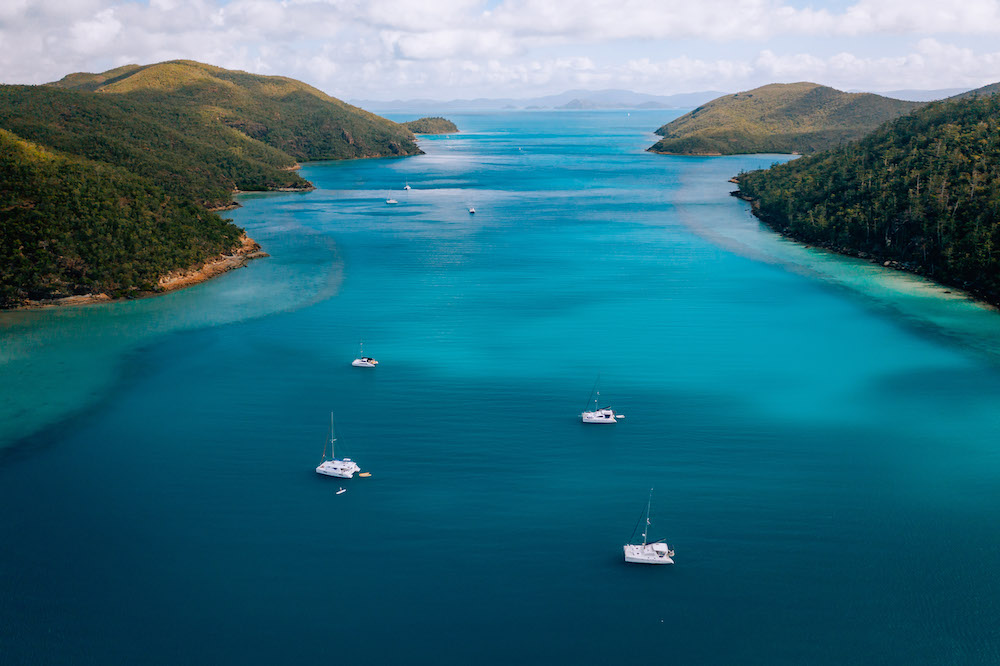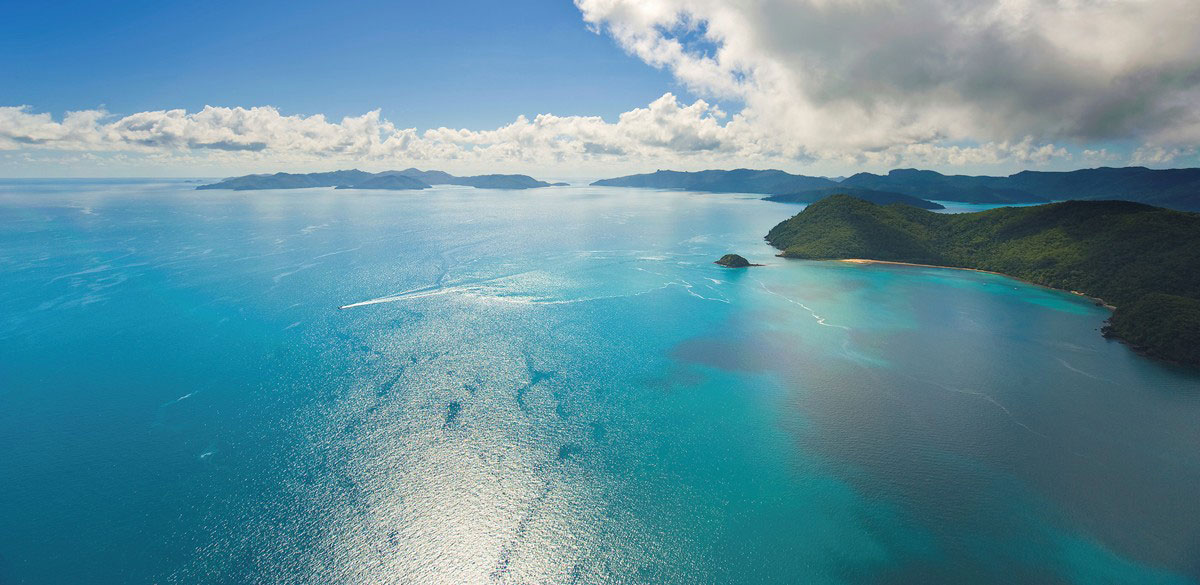
The Whitsunday islands weather is mostly calm with the islands enjoying protection from the Great Barrier Reef, making for one of the safest sailing grounds in the world. But the truth is, you can encounter lousy weather basically anywhere – especially when the ocean is involved.
Sometimes, even in the peak seasons, the winds can pick up to 30 knots. Take the experience of Trip in a Van as an example; they chartered with us in early September. They came up against some unusual spring weather systems – despite conditions before and after their trip being picture perfect!
Thankfully, the Whitsunday Islands offer options to those chartering a yacht in unfavourable weather. You will find that while you’re original literary may need to change; it’s still possible to see some breathtaking places, have loads of fun and experience the island adventure you hoped for.
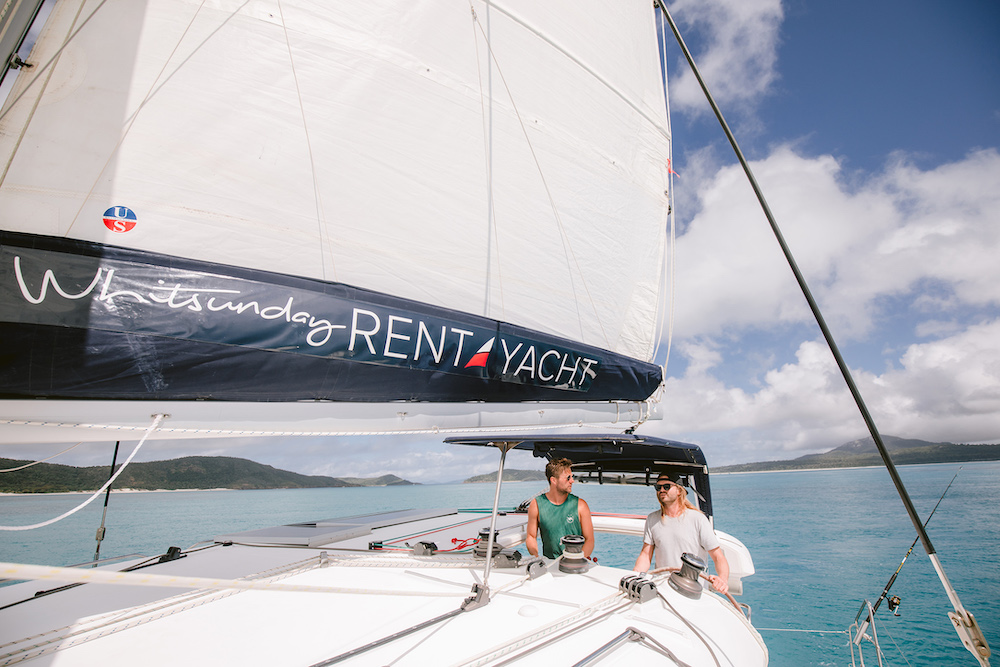
When should I book to avoid bad weather in the Whitsundays?
There are guidelines for when the best time to visit the Whitsundays is, with some seasons providing more of a guarantee for good weather than others. But, there are no rules, and you could come into strong winds or rain despite planning to avoid it.
As a guide, the best weather in the Whitsundays runs over winter and spring.
There are advantages to sailing at different times throughout the year, and it’s worth doing your research to see what pros & cons appeal to you.
We suggest trying to book a 7-night charter. Bad weather is unlikely to go for more than a couple of days, so a more extended charter will ensure you have some good weather days.
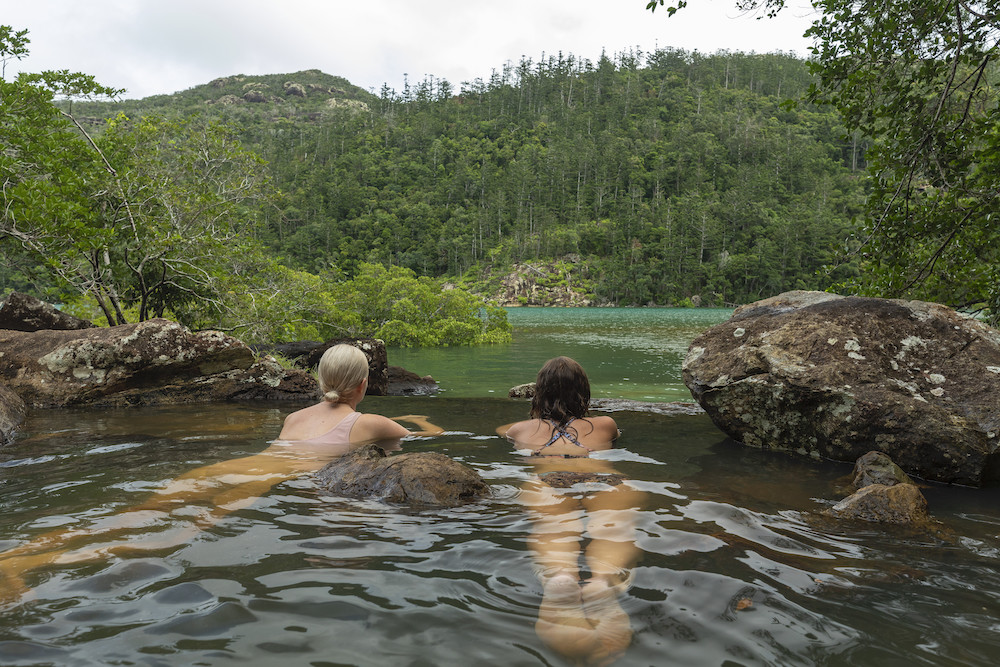
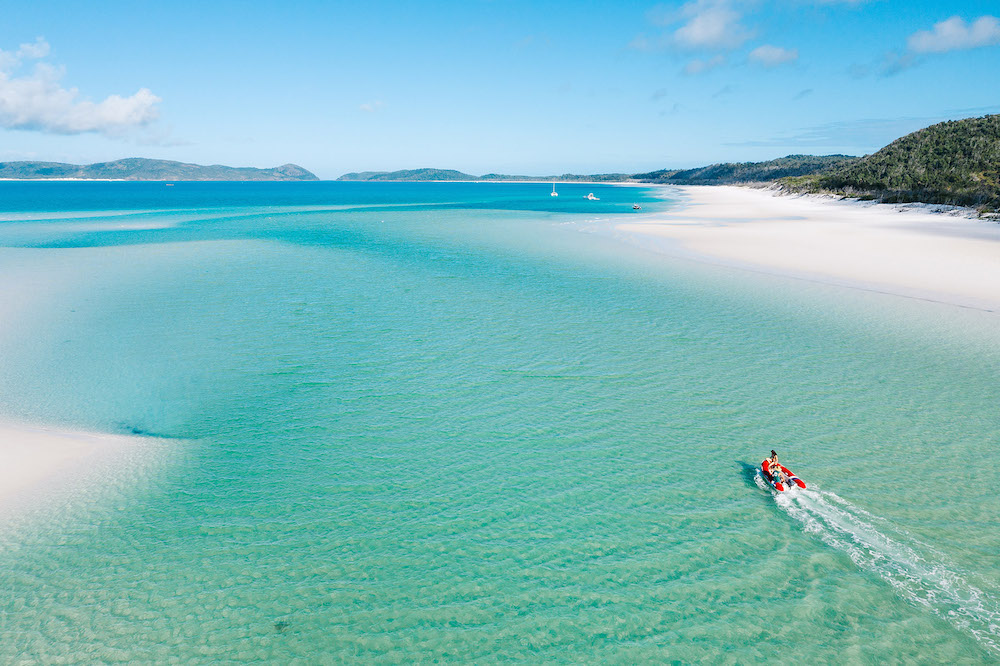
Photo C/O Tourism and Events Queensland
Whitsunday Islands Weather
The Whitsunday weather is sub-tropical, meaning there is a lot of variance throughout the year.
The climate around the Islands has a yearly average temperature of 23 degrees. Despite the warm weather, there are some seasonal aspects to consider.
Wet season
The wet season runs over the hottest part of summer, from January to March. It can be humid; however, if it does rain, the raindrops are delightfully warm. While showers can be frequent, they rarely last all day.
Dry season
The dry season runs over winter, with the driest months being August to October. It can be cooler, but generally, the weather conditions are consistently sunny and perfect.
Stinger season
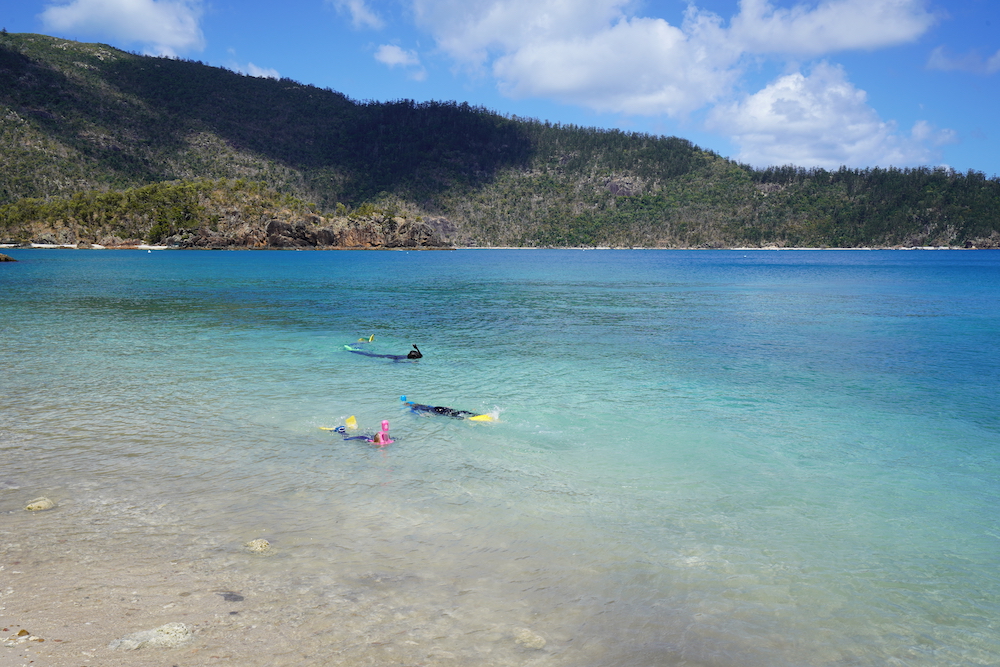
Stinger season in the Whitsundays typically runs from late October to May, however, they can be seen all year round. If you charter a yacht and you want to swim or snorkel we highly recommend you to wear a stinger suit. This is also great protection from the sun and cool waters.
Itinerary suggestions if the weather isn’t favourable
During your briefing and throughout your trip, we will help prepare your itinerary so you can get the most out of the weather conditions and your charter is as smooth as possible.
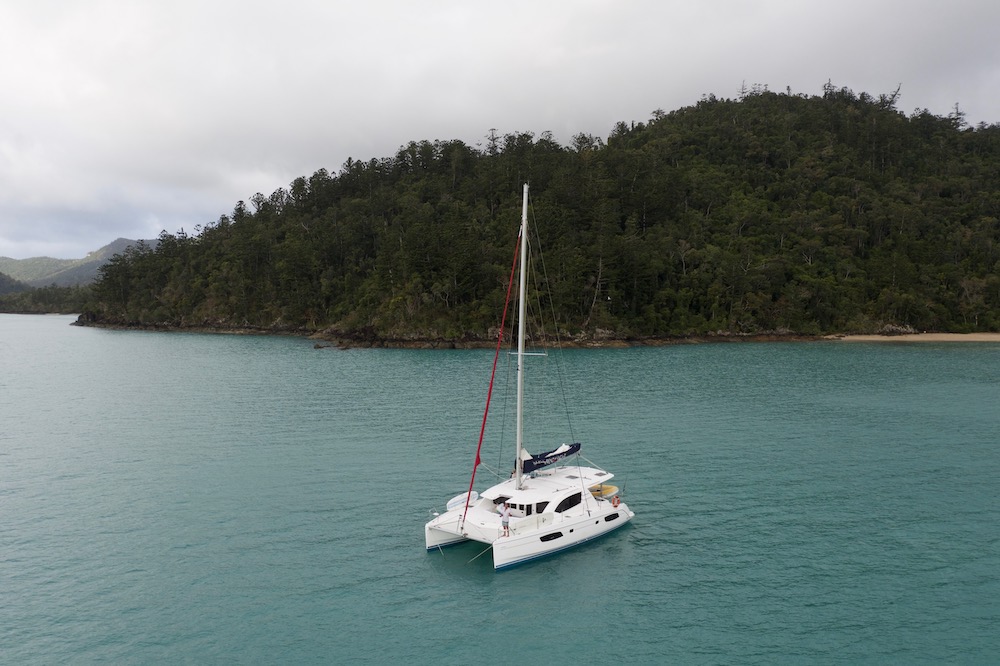
One of the best things about sailing in the 74 Whitsunday Islands is there are always protected anchorage options and Island resorts to find refuge.
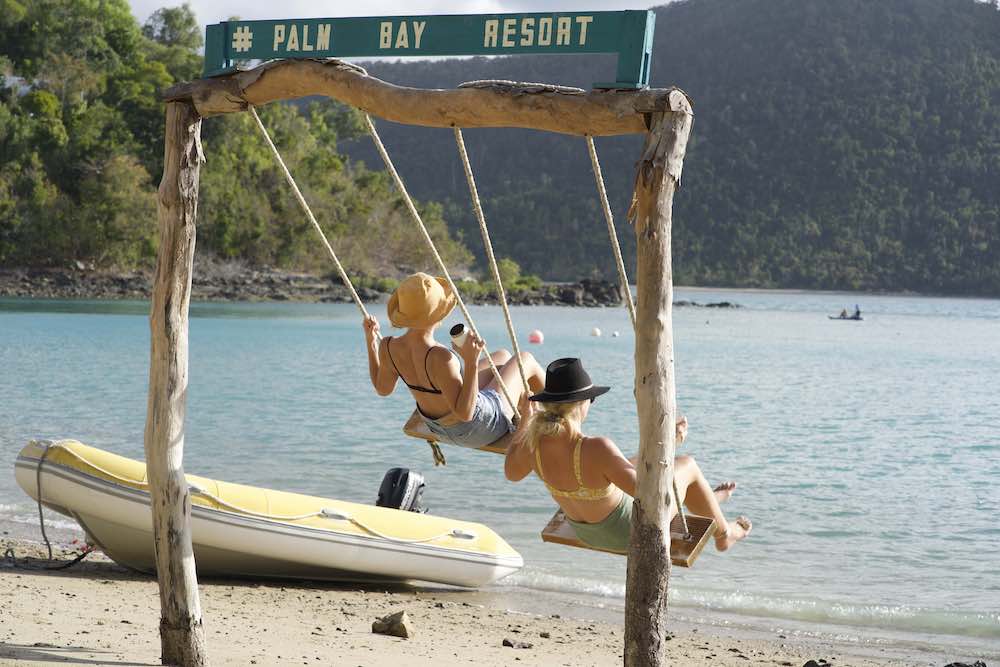
Palm Bay Resort
You can moor at Palm Bay Resort on Long Island and enjoy access to the resorts restaurant, pool, tennis court and bar. Mooring fees apply. (Palm Bay Resort is for ages 16+ only)
Hamilton Island Marina
Bareboats can book a berth at the protected Hamilton Island Marina, giving access to the resorts facilities, restaurants, bars and shops. There is so much to enjoy at Hamilton Island; our tip is to plan a stop off at Hamo no matter what the weather.
Nara Inlet
The Whitsunday Islands are blessed with Nara Inlet, a deep inlet on Hook Island which offers protection from most winds. Nara is a haven with the Ngaro artwork hike providing a fascinating cultural addition to a charter.
Hike the stunning Whitsunday Island trails
Heading ashore and taking a bushwalk is the perfect way to enjoy the Whitsunday islands in lousy weather. Many Islands have walking trails taking you to amazing views or through a variety of landscapes from grasslands to rainforests to coastal mangroves. Each hike will be a new adventure and enjoyed in any weather conditions.
For more on hiking in the Whitsundays read our blog: The 5 Best Whitsunday Walks
Tips for seasickness in bad weather
Some people do experience seasickness in high winds which cause relatively small ocean swells.
The only time you will be exposed to winds is when you are crossing The Passage or moving between anchorages. Our team will ensure that you’re anchorage plans are based around you having the smoothest night possible.
- Anchorages are close together
Anchorages in the Whitsundays can be a reasonably short distance from each other, within the shelter of islands – so there is no need for long distances to be travelled each day.
- Steer the boat
If you’re starting to feel sick while on the move, take the helm! By focussing on steering the vessel, your mind will be on a task which reduces the onset of seasickness.
- Medication and Accupressure
Some people who are prone to seasickness manage their nausea with seasickness tablets or acupressure bracelets. If you are planning to take medication, we recommend testing them before your charter as some can make you drowsy.
- Book a Sleep aboard
A sleep aboard the night before your charter will help you to acclimatise to being on a boat. It will also mean there is no need to feel rushed on the first day.
Help is never far away
Radio support & advice throughout your charter
Our priority is ensuring our guests are safe. If the weather or winds are not favourable, you will be advised to head to the most protected areas.
Throughout your charter, if you ever have any questions, you can radio our base.
Shute Harbour is the closest port to the islands.
The roughest ocean you will cross while sailing the Whitsundays is the Whitsunday Passage between the mainland and the Islands. Our base’s location in Shute Habour means that you’re closer to the islands, so time in the open water and getting to the passage is reduced.
Perhaps the most important aspect of planning a yacht charter in the Whitsundays is a willingness to keep an open, flexible mind. There is a very high chance that you will have amazing Whitsundays weather conditions, but even if the ocean throws you a curveball, with a relaxed attitude, you will still have a fantastic time.
Join us in the Whitsundays and enjoy the freedom to explore
Learn more and book or contact us today 1800 075 000 or sales@rentayacht.com.au